

Introduction
Generation Z, born from the mid-1990s to the early 2010s, is now entering the labor market and influencing the economy with their unique characteristics and preferences. For organizations, this means that strategic changes are inevitable, especially in the context of hybrid working and digital technologies like Microsoft 365.
Understanding Gen Z
Generation Z expects flexibility and technology as integrated parts of their work experience. This implies that traditional structures need to be re-evaluated. While previous generations often adapted to existing systems, Gen Z expects systems to be adapted to them.
Microsoft 365 as a Foundation
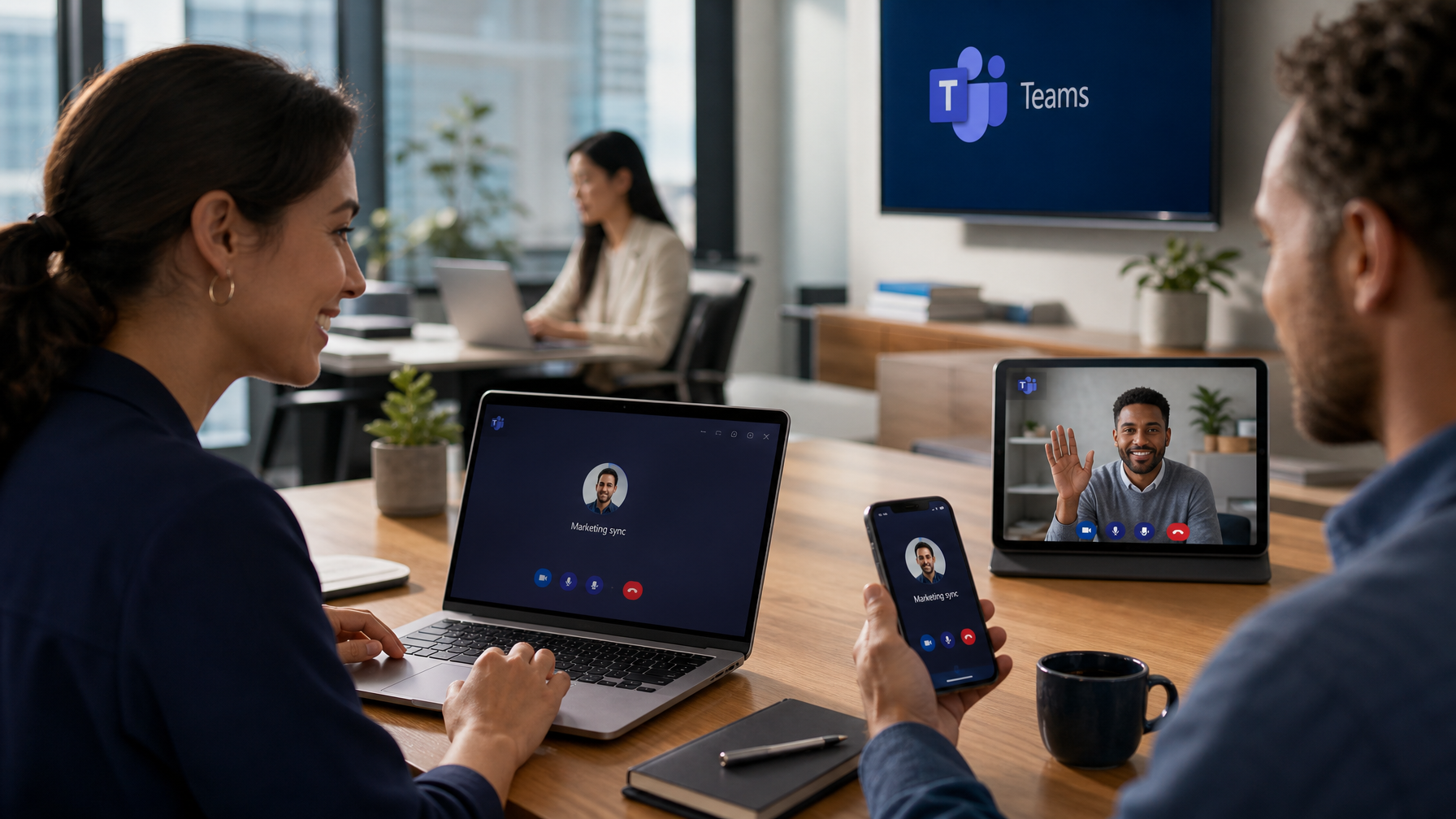
With Microsoft 365, organizations can facilitate a hybrid work culture that meets the needs of Gen Z. This platform not only supports collaboration and communication but also offers opportunities for personalized work environments. For IT managers, this means effectively deploying tools like Teams, SharePoint, and OneDrive to ensure both productivity and flexibility.
Adapting Governance
An important aspect of introducing Gen Z into the business world is governance. This generation values privacy and data ownership. Therefore, IT teams must implement strong security measures and provide transparency about data usage. Establishing clear guidelines via Microsoft 365 ensures that compliance and user convenience go hand in hand.
Practical Implementation
A practical step for Operations Managers is to continuously evaluate work practices and tools. This means conducting regular audits of the technologies used and the processes surrounding them. Continue to encourage training and development so that employees consistently get the most out of the available tools.
Conclusion
The shift to an economy dominated by Gen Z requires an open and flexible approach. By leveraging platforms like Microsoft 365 and focusing on agile governance strategies, companies can not only stay relevant but also thrive in this new reality.
Operations Managers are encouraged to take action now. Start by evaluating the existing infrastructure and adjust it to be well-prepared for the challenges this generation brings.