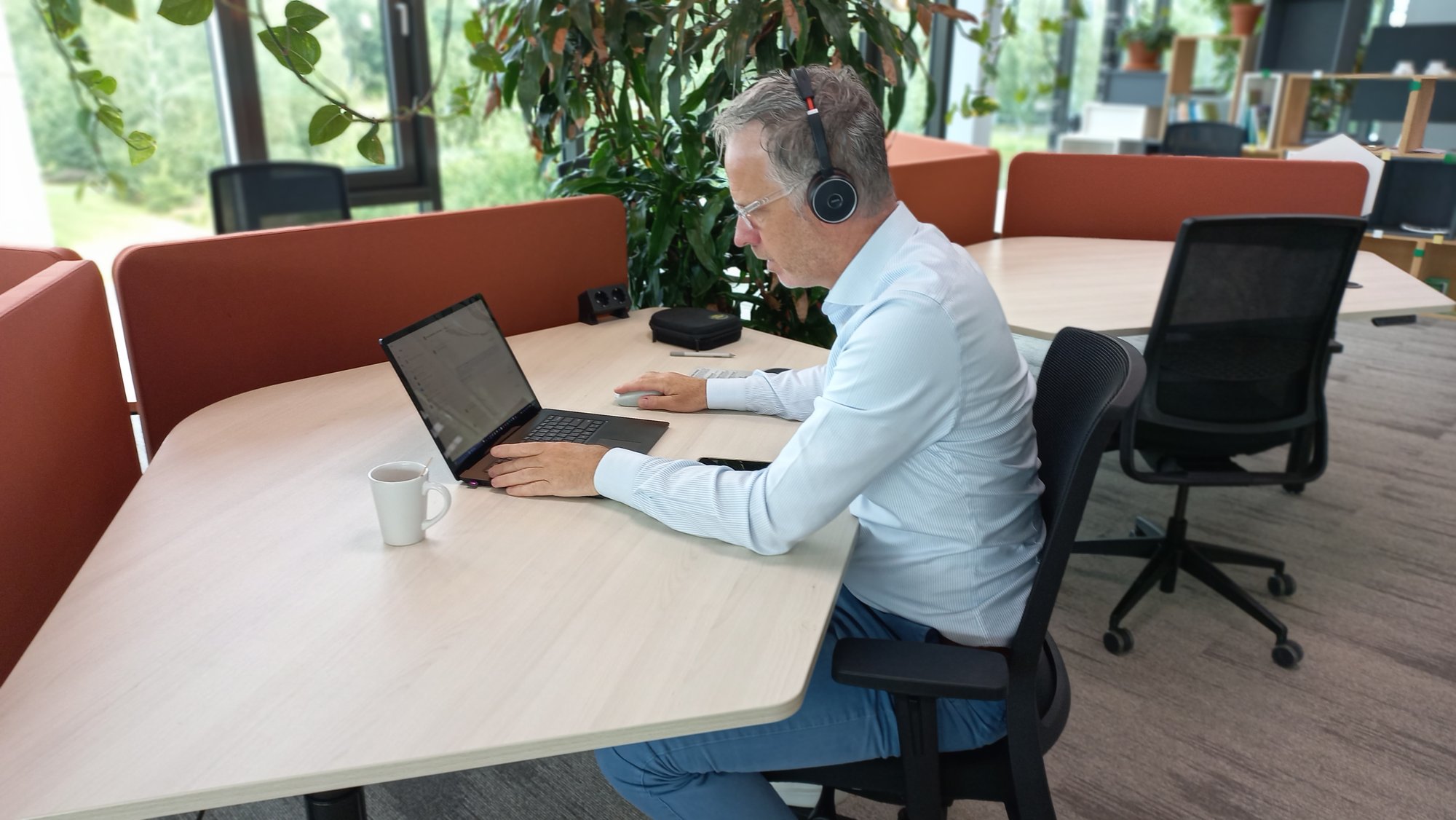


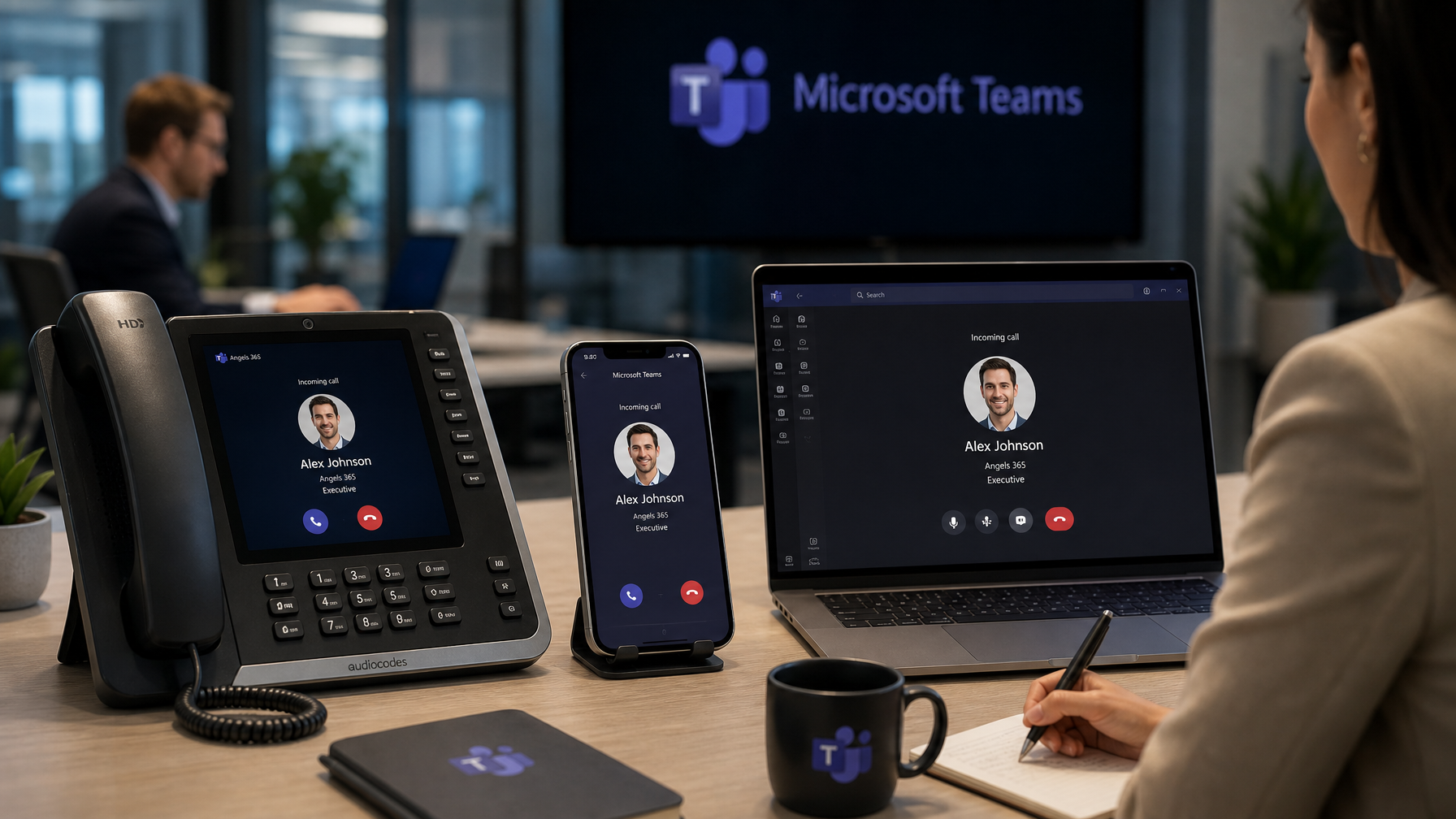
In the Netherlands and Belgium, we see that business communication increasingly occurs via mobile phone numbers (06-numbers in the Netherlands). While being mobile has many advantages, there are also downsides to relying on GSM accessibility. In this article, we explain why landline telephony via Microsoft Teams offers many advantages, and how it enhances the accessibility and professionalism of your organization.
Disadvantages of GSM accessibility via 06-numbers
Dependent on GSM coverage: GSM coverage can greatly vary by location. In rural areas and inside buildings, the signal can be weak or unreliable, leading to missed calls and customer frustration.
Cost and consistency: Mobile subscriptions can be more expensive and vary by provider. Changing a mobile number can also damage relationships as customers need to update the number.
Professional appearance: 06-numbers are often perceived as less professional than a fixed regional number, especially in business contexts in the Netherlands and Belgium.
Advantages of landline telephony in Microsoft Teams
Region-specific landline numbers: Microsoft Teams offers the ability to link landline numbers that are recognizable to customers. This enhances trust and gives the organization a professional appearance.
Uniform accessibility: Teams integrates landline and mobile via one platform. This way, you make and receive calls via fixed numbers, wherever you are, as long as you have an internet connection.
Better availability and quality: Calls over the internet via Teams are often clearer and more reliable than GSM calls, especially in office areas with good WiFi.
Flexibility and scalability: Landline numbers can be easily managed, forwarded, and expanded without additional physical infrastructure.
Specific to the Netherlands and Belgium
In the Netherlands, it is likely that many organizations still cling to 06-numbers due to the mobile culture, but the trend is shifting towards landline via Teams for better accessibility. In Belgium, where fixed regional numbers have a strong tradition, Teams perfectly aligns with this preference by ensuring reliable landline accessibility without loss of mobility.
Conclusion
For organizations in the Netherlands and Belgium, switching to landline telephony via Microsoft Teams is a smart choice. It improves accessibility, enhances professional appearance, and offers flexibility without compromising on mobility. Less dependence on GSM coverage and higher call quality make Teams telephony the future of business calling.
Want to know how 365 Angels can help you with this? Contact us and experience the difference of Teams landline telephony.